
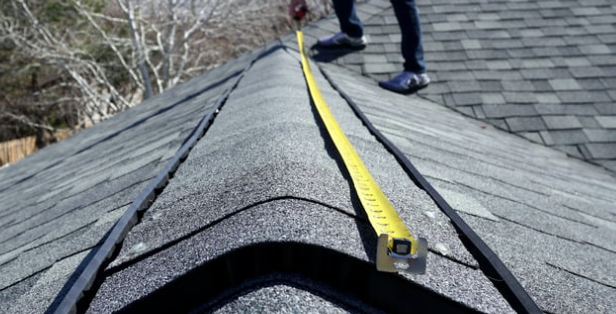
When you’re buying or selling a home in Florida, the condition of the roof often becomes one of the biggest points of negotiation. Roofs are more than just shingles, they’re your home’s first line of protection against heavy rains, hurricanes, and endless Florida sunshine. Because of that, roof condition can make or break a deal. Here’s what buyers and sellers need to know about how roofs impact real estate transactions.
For Buyers: Why Roof Condition Matters
-
Insurance eligibility: Many insurers in Florida won’t cover homes with roofs over a certain age (often 15 years for shingle roofs).
-
Financing approval: It’s common for lenders to require an inspection or roof certification before approving a mortgage.
-
Hidden costs: A roof that looks fine from the ground could hide leaks or underlayment issues. A professional inspection helps you avoid surprise expenses.
For Sellers: How a Roof Affects Value
-
Boost buyer confidence: A newer roof can be a strong selling point that reassures buyers.
-
Negotiation leverage: If your roof is aging, be prepared for buyers to request repairs, credits, or a reduced price.
-
Marketing advantage: “New roof” or “Recent Roof Replacement” in a listing description can grab attention and increase offers.
What to Do Before Closing a Deal
-
Buyers: Always request a professional inspection and understand the roof’s expected lifespan.
-
Sellers: Consider repairs or partial replacement before listing to avoid last-minute deal breakers.
-
Both parties: A roof certification can provide peace of mind and make negotiations smoother.
In Florida’s climate, the roof isn’t just part of a home, it’s a major financial factor. Understanding how roof condition impacts insurance, financing, and market value ensures smoother transactions for both buyers and sellers.
Posted by Jen Dollar on
Leave A Comment